Individualized Older Adult Care Services: Your Partner in Aging Gracefully
Personalized elderly support programs play an essential role in supporting seniors as they grow older. These programs concentrate on personal choices and needs, delivering vital help that enhances both independence and well-being. With options ranging from companionship to specialized medical services, loved ones often encounter challenges in choosing the right method. Comprehending the different aspects of personalized care can lead to substantial enhancements in quality of life for seniors. What considerations should one evaluate when selecting a service provider?
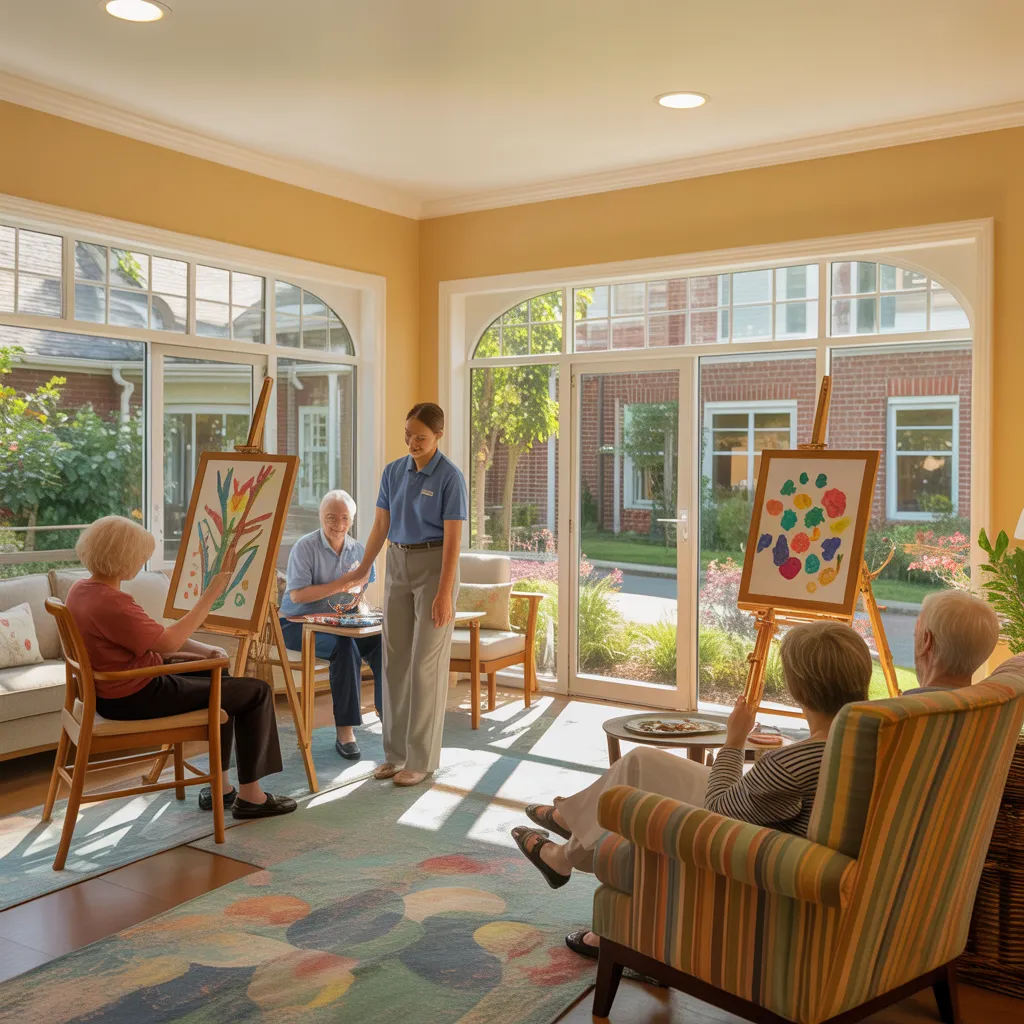
Learning About Personalized Elderly Care Solutions
empathetic and caring way.
Categories of Individualized Senior Care Services
Senior care services that are individualized comprise a variety of choices customized to fulfill individual needs. Key types include in-home care services that furnish assistance in the comfort of one's residence, as well as specialized health services formulated for specific health issues. These services aim better the living standards for older individuals, guaranteeing they receive the fitting assistance.
In-Home Assistance Possibilities
As families work to guarantee their loved ones obtain the best possible care, various at-home care alternatives emerge to meet diverse needs. Companion care services deliver emotional support and social interaction, aiding seniors overcome loneliness while helping with daily activities. Personal care aides focus on hygiene and mobility support, ensuring safety and comfort in a familiar environment. For those requiring more assistance, household management services extend help with household tasks such as cleaning, cooking, and laundry, permitting seniors to maintain their independence. Respite care provides short-term relief for primary caregivers, offering vital breaks while sustaining continuity of care. Each option stresses individualized care, permitting families to determine the level of support that corresponds to their loved one's unique requirements.
Health Services Specialization
Traversing the intricacies of aging often necessitates specialized health services designed to meet the unique medical needs of seniors. These services deliver a range of offerings, including geriatric assessments, chronic disease management, and physical therapy. Geriatric assessments evaluate an individual's overall health, identifying specific needs and interventions. Chronic disease management targets conditions like diabetes or heart disease, providing ongoing support and education to ensure ideal health outcomes. Physical therapy helps seniors recover examination mobility and strength, boosting their quality of life. Additionally, mental health services support emotional well-being, offering counseling and support groups. By combining these specialized services, seniors can navigate their health journeys with greater assurance and support, ultimately promoting a more graceful aging process.
Essential Benefits of Customized Senior Services
Personalized senior care provides significant advantages through tailored care plans that meet individual needs. This personalization not only promotes better health outcomes but also enhances the overall quality of life for elderly individuals. By focusing on the distinct needs and preferences of every person, personalized care fosters a nurturing setting conducive to well-being.
Individualized Wellness Solutions
An increasing amount of senior care services are acknowledging the importance of customized care strategies, which respond to the individual requirements and choices of each person. These personalized plans evaluate various factors, such as medical history, physical capabilities, and emotional well-being, ensuring that care is not only efficient but also considerate of the elderly person's way of life and desires. By engaging family members and caregivers in the planning process, these services foster a team-based method that increases satisfaction and compliance. Additionally, tailored care plans can change, accounting for changes in health status or personal preferences, thereby providing ongoing support. This customized care helps seniors maintain autonomy while obtaining the care they require, ultimately leading to more rewarding and satisfying experiences.
Improved Standard Of Life
Numerous studies reveal that personalized senior care considerably enhances the quality of life for older adults. By focusing on individual needs, preferences, and lifestyles, these services promote physical, emotional, and social well-being. Tailored care plans can lead to better health outcomes, as they often include customized nutrition, exercise, and medication management. Additionally, personalized attention creates meaningful relationships between caregivers and seniors, diminishing feelings of isolation and loneliness. This supportive environment encourages active engagement in daily activities, enhancing mental stimulation and overall happiness. Ultimately, personalized senior care not only addresses medical needs but also bolsters the emotional and social dimensions of aging, allowing older adults to thrive and maintain their dignity.
Determining the Right Older Adult Care Vendor
In what way can relatives guarantee they choose the most appropriate senior care provider for their family members? The procedure starts with comprehensive investigation. Families should assess potential providers based on credentials, experience, and care services provided. Reading internet testimonials and customer feedback can provide valuable insights into the quality of care.
Following this, organizing interviews allows families to pose specific questions, ensuring that the caregiver's philosophy and approach align with their loved one's needs. It is crucial to evaluate the care setting's environment and staff interaction, as these components significantly impact the quality of care.
Additionally, checking proper licensing and accreditation can help families evaluate the provider's credibility. Grasping the cost structure and accessible funding alternatives is equally important to sidestep surprise costs. At the end of the day, choosing a elder care facility should involve a balance of comprehensive study and genuine relationship, ensuring that the selected option upholds the loved one's health and honor.
Improving Self-Reliance and Protection for Elderly People
In addition, technology constitutes a vital role in advancing independence. Devices including medical alert systems and home monitoring solutions enable seniors to direct their daily activities with confidence. Individualized care programs, tailored to individual needs, further facilitate seniors in pursuing hobbies and social engagements, fostering a sense of purpose.
Furthermore, care providers deliver help managing daily tasks while motivating seniors to engage to the greatest extent they can. This equilibrium of support and autonomy not only enhances safety but also fosters self-esteem, ultimately contributing to a more fulfilling and autonomous lifestyle for seniors.
Inspiring Stories: How Individualized Care Bettered Lives
Personalized assistance has shown remarkable benefits for seniors, revealing the profound effect individualized care can have on their lives. As an example involves a 78-year-old woman known as Margaret, who battled movement issues and loneliness. Following participation in a personalized support plan, she obtained assistance that included tailored exercise plans and social activities. Within months, Margaret regained her strength and confidence, enabling her to participate in community events.
In the same way, John, a 72-year-old veteran with memory challenges, profited from one-on-one cognitive stimulation activities customized for his interests. His caregiver included familiar themes from his military service, cultivating meaningful conversations and lessening anxiety.
These illustrations highlight how personalized care not only meets specific requirements but also improves mental health. By tailoring services to each senior's unique circumstances, caregivers can significantly enhance standard of living, enabling older individuals to grow older with grace and with respect.
Regularly Submitted Concerns
How Do Caregivers Design Individualized Care Plans for Every Senior?
Customized care plans for seniors are established through thorough assessments, involving assessments of physical condition, preferences, and routine requirements. Partnering with medical practitioners, families, and the elderly individuals themselves guarantees personalized support that promotes well-being and honor.
What Abilities Do Professional Caregivers Need for Personalized Services?
Caregivers must acquire appropriate credentials, such as CPR and first aid, paired with specialized training in elderly care. Compassion, communication skills, and knowledge with multiple medical needs are vital for offering effective personalized services.
In What Ways Can Family Units Remain Active in the Treatment Process?
Families may stay involved in the caregiving journey by attending meetings, maintaining consistent communication with caregivers, participating in care planning, and participating in activities with their loved ones, creating a cooperative and nurturing environment for seniors.
What Emergency Measures Are Established for Older People Undergoing Treatment?
Emergency protocols for seniors receiving care include swift access to medical assistance, structured outreach systems for care workers, periodic protective drills, and custom crisis roadmaps adapted to distinct health priorities and preferences, providing timely responses during emergency periods.
Are Personalized elderly care options Protected by Insurance?
Personalized elderly care options may be partially covered by health insurance, depending on the policy. Benefits often varies by service provider and specific services required, so people should consult their coverage policies for comprehensive details concerning eligibility and benefits.